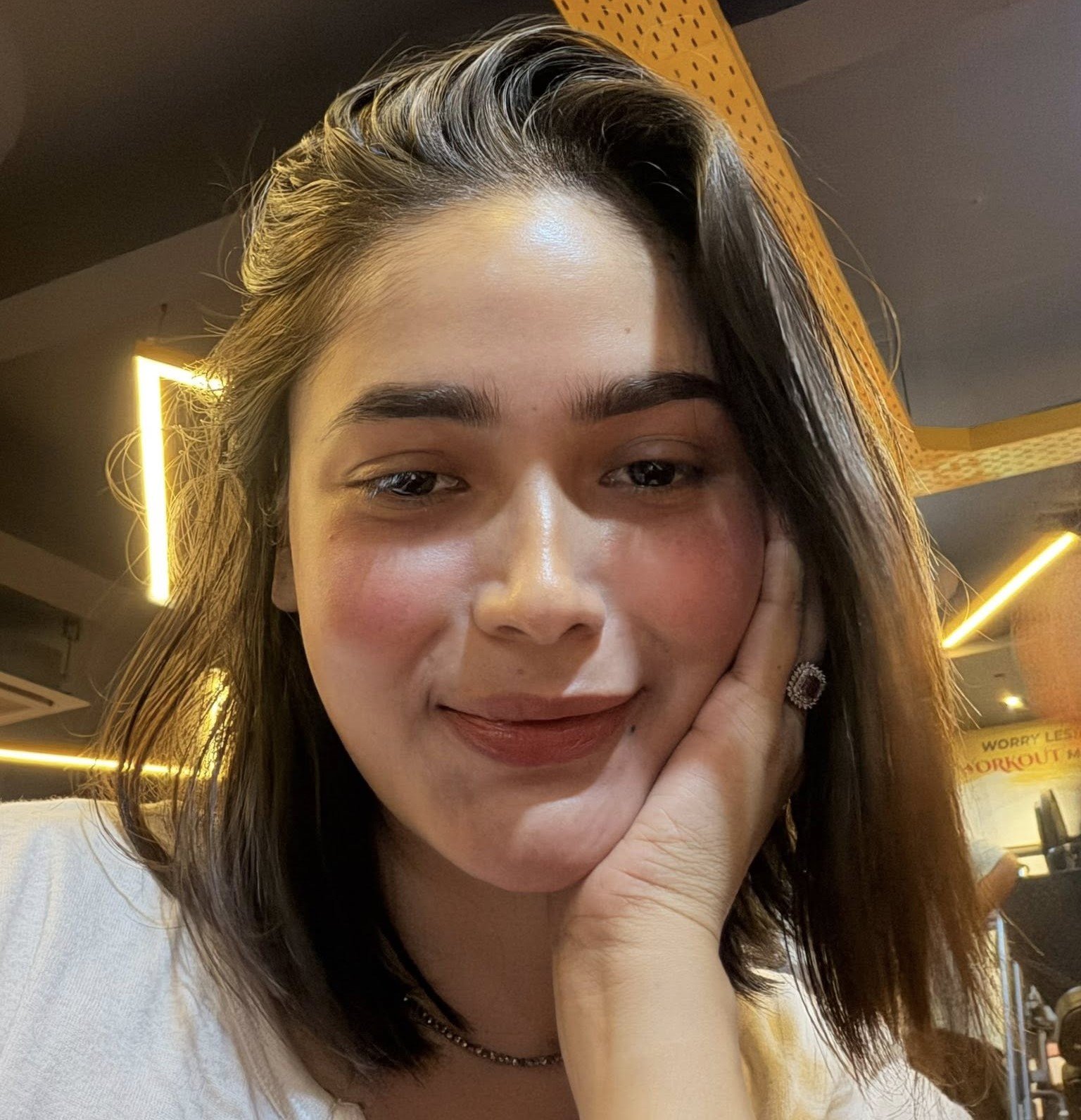
Afsana Karim Mimi biography reveals the life of a highly acclaimed Bangladeshi actress, model, scriptwriter, and television director who has left a profound impact on the entertainment industry. Born in Dhaka, her journey in the performing arts began at an early age, deeply influenced by a culturally enriched family environment. Over the decades, she has become a household name in Bangladesh, recognized for her versatility and natural acting prowess on both television and the silver screen.

Her transition from a stage performer to a national television icon was marked by critically acclaimed roles in the early 1990s. With her deep understanding of character development and narrative arcs, she naturally transitioned into directing and production. Today, her production house 'Green Screen' is celebrated for creating some of the most memorable television dramas in the nation's history.

Beyond her on-screen presence, she has actively contributed to the institutional growth of the arts in Bangladesh. Her tenure at the Bangladesh Shilpakala Academy and her leadership at Ichchhetola demonstrate her lifelong commitment to nurturing the next generation of performers. As of 2026, she continues to inspire emerging artists, securing her legacy as a pillar of Bangladeshi cultural arts.

Her contributions have not only elevated the standards of Bengali television but have also paved the way for female directors in a traditionally male-dominated industry. Her artistic journey remains a compelling narrative of dedication, talent, and cultural preservation.


👤 Profile at a Glance

Full Name Afsana Karim Mimi
Nickname Mimi
Date of Birth December 20, 1968
Age 57 years old
Birthplace Dhaka, Bangladesh
Nationality Bangladeshi
Profession Actress, Director, Script-writer
Education Bachelor of Arts, University of Dhaka (1990)
Marital Status Divorced
Spouse / Partner Gazi Rakayet
Net Worth $1 Million - $5 Million (2026)

🎓 Education

University of Dhaka (1990)
Afsana Mimi completed her higher education at the University of Dhaka, graduating around 1990. During her university years, she was heavily involved in cultural activities, which cemented her path into the professional performing arts sector.

💼 Career

Afsana Mimi began her illustrious acting career firmly rooted in the theater. She joined the renowned theatre troupe Nagorik Natya Sampradaya, where she honed her foundational skills in dramatic arts. Her deep involvement in stage productions laid the groundwork for her eventual transition to mainstream media, allowing her to deliver nuanced performances.

Her major breakthrough in television came in the early 1990s with the phenomenally popular Bengali television drama Kothao Keu Nei (1992–1993). Her compelling portrayal resonated deeply with audiences across Bangladesh, catapulting her to national stardom. This success led to a series of highly praised roles in prominent television serials throughout the decade.

Transitioning from acting to behind-the-camera roles, Mimi made her directorial debut in 2000. She established her own production house, Green Screen, which became instrumental in delivering high-quality television content. Under her visionary direction, she produced and directed landmark dramas such as Kacher Manush, Doll's House, and Poush Falguner Pala, which set new benchmarks for storytelling in the industry.

In addition to her television work, she has made significant contributions to Bangladeshi cinema. She delivered memorable performances in critically acclaimed films like Nodir Naam Modhumoti (1996), Chitra Nodir Pare (1999), and Priyotomeshu (2009). Her cinematic roles often explored complex social themes, earning her widespread critical appreciation.

Her dedication to the cinematic arts culminated in her winning the prestigious Bangladesh National Film Award for Best Supporting Actress for her powerful role in the film Paap Punno (2022). Furthermore, between 2020 and 2023, she served as the director of the Department of Theatre and Film at the Bangladesh Shilpakala Academy, further solidifying her status as a cultural leader.

🏠 Personal Life

Afsana Karim Mimi was born into a supportive family environment in Dhaka. Her father, Syed Fazlul Karim, was an employee at the Bangladesh Water Development Board, while her mother, Shireen Afroze, managed the household.

During the late 1980s, she entered into a relationship with fellow actor and director Gazi Rakayet. The couple married in 1989, but they mutually parted ways and divorced in 1996.

Despite the demands of her career, Mimi is known to be an avid reader and deeply passionate about literature and the cultural heritage of Bangladesh. She continues to reside in Dhaka, focusing her energies on mentoring youth and managing her cultural center, Ichchhetola.

🏆 Achievements & Awards

  • Bangladesh National Film Award for Best Supporting Actress (2022)
  • Director of the Department of Theatre and Film at Bangladesh Shilpakala Academy (2020–2023)
  • Founder of Green Screen Production House

💬 Notable Quotes

Now there is more space for younger talent, and newer ideas, in a way I couldn't have imagined when I started working.

— Afsana Karim Mimi

The conflict for my character is very difficult; it reflects the deep complexities of human choices.

— Afsana Karim Mimi

Culture is the mirror of our society, and through drama, we reflect its truest forms.

— Afsana Karim Mimi

❓ People Also Ask

Afsana Mimi is famous for her iconic acting roles in 1990s Bengali television dramas like Kothao Keu Nei and for directing acclaimed series such as Doll's House.
Born on 1968-12-20, Afsana Mimi is 57 years old as of 2026.
As of 2026, Afsana Mimi's estimated net worth is between $1 Million and $5 Million.
She was born in Dhaka, Bangladesh (then East Pakistan), and raised in a culturally vibrant environment.
Afsana Mimi is currently divorced. She was previously married to actor and director Gazi Rakayet from 1989 to 1996.
Her biggest achievements include winning the Bangladesh National Film Award for Best Supporting Actress in 2022 and serving as a director at the Bangladesh Shilpakala Academy.